
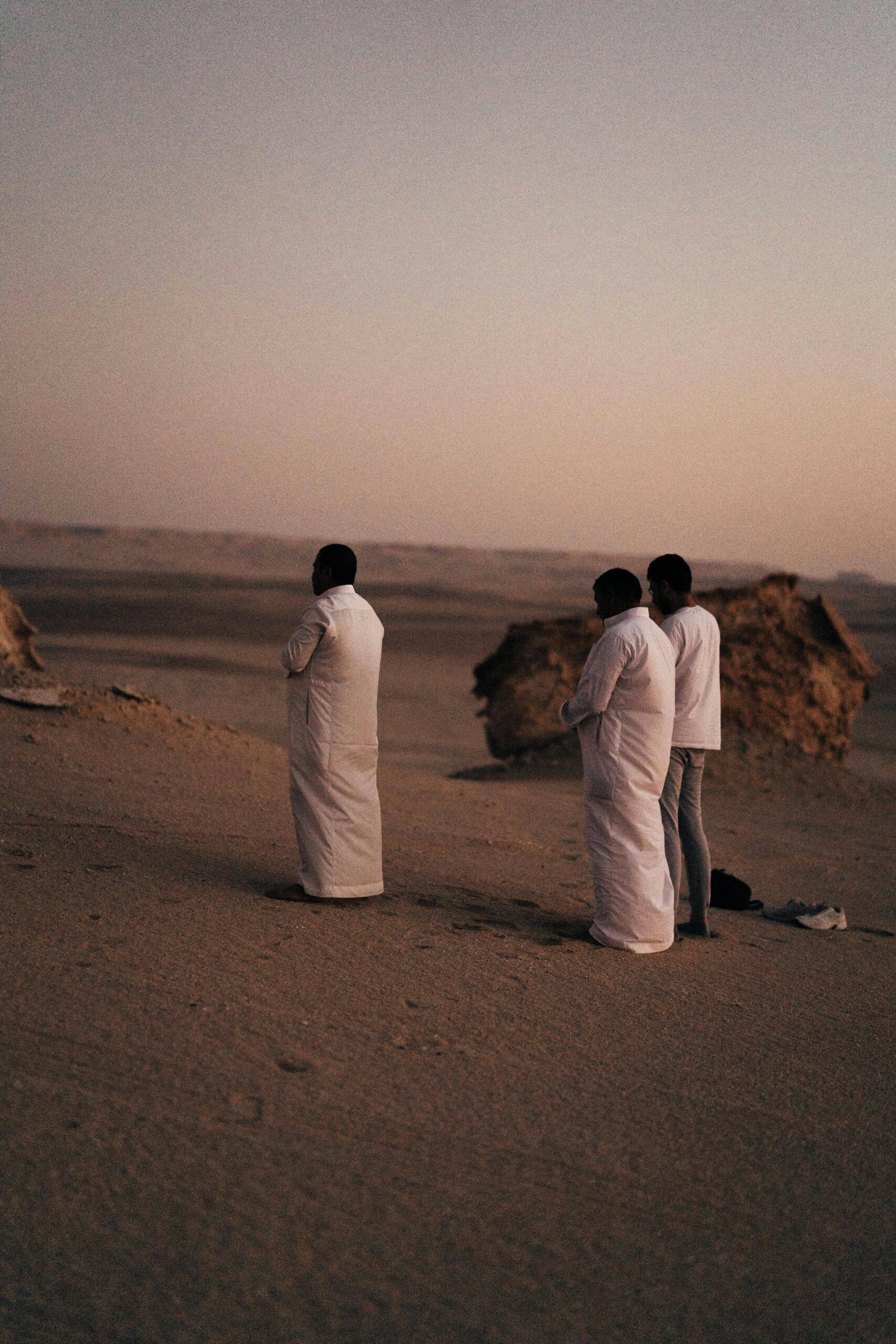
Pakistan is a land of rich history, vibrant traditions, and diverse cultures. From the ancient ruins of Gandhara to the bustling bazaars of Lahore and Karachi, the country offers countless opportunities for travelers to immerse themselves in authentic cultural experiences. Cultural travel allows visitors not only to see the sights but also to connect with local people, food, art, and traditions.
This guide explores the best cultural travel experiences in Pakistan, including historical sites, festivals, traditional markets, handicrafts, local cuisine, and immersive activities. Whether you’re a solo traveler, family, or group, Pakistan offers unique opportunities to learn, explore, and appreciate its cultural heritage.
1. Lahore – The Heart of Pakistani Culture
Lahore is often called the cultural capital of Pakistan, with a rich history dating back centuries. It’s famous for Mughal architecture, vibrant bazaars, and delicious cuisine.
Cultural Highlights:
-
Lahore Fort & Shalimar Gardens: Explore Mughal-era architecture and beautiful gardens
-
Badshahi Mosque: Iconic mosque reflecting grandeur and history
-
Walled City of Lahore: Narrow streets filled with history, bustling markets, and street food
-
Anarkali Bazaar: Traditional shopping for handicrafts, clothing, and jewelry
Activities for Cultural Immersion:
-
Attend traditional music and dance performances at Alhamra Arts Council
-
Taste authentic Lahori food, including nihari, paya, and sweets like gulab jamun
-
Participate in workshops for Pakistani embroidery and pottery
Best Time to Visit: October to March for pleasant weather and festivals
Tip: Hire a local guide to explore the Walled City for historical context and hidden gems.
2. Karachi – A Melting Pot of Cultures
Karachi is Pakistan’s largest city and economic hub, reflecting diverse cultures and lifestyles. It’s perfect for travelers interested in modern and traditional cultural experiences.
Cultural Highlights:
-
Mohatta Palace: Museum showcasing Pakistani art, history, and exhibitions
-
Frere Hall: Colonial architecture and art exhibitions
-
Empress Market: A bustling market for traditional spices, textiles, and handicrafts
-
Clifton Beach & Boat Basin: Local culture, street food, and coastal activities
Activities for Cultural Immersion:
-
Explore local neighborhoods for street art and architecture
-
Taste Karachi’s famous biryani, bun kebabs, and seafood
-
Attend art exhibitions and cultural festivals
Best Time to Visit: November to February to avoid extreme heat
Tip: Use public transport or ride-hailing apps to explore different cultural sites economically.
3. Multan – The City of Saints
Multan, known as the City of Saints, is rich in Sufi culture and traditional crafts.
Cultural Highlights:
-
Shrines of Sufi Saints: Bahauddin Zakariya and Shah Rukn-e-Alam shrines
-
Multan Fort: Historical architecture and panoramic city views
-
Hussain Agahi Bazaar: Famous for handicrafts, pottery, and blue pottery
Activities for Cultural Immersion:
-
Participate in local Sufi music and qawwali sessions
-
Explore traditional crafts workshops
-
Taste Multani food, including sohan halwa and traditional sweets
Best Time to Visit: October to March for mild weather
Tip: Respect local customs at shrines, including dress codes and photography rules.
4. Peshawar – Gateway to Afghan Culture
Peshawar offers a unique blend of Pashtun culture, history, and cuisine, perfect for travelers seeking an authentic cultural experience.
Cultural Highlights:
-
Qissa Khwani Bazaar: Historical market known as the “Bazaar of Storytellers”
-
Peshawar Museum: Exhibits Gandhara art, coins, and artifacts
-
Bala Hisar Fort: Historical military fort with panoramic views of the city
Activities for Cultural Immersion:
-
Sample traditional Pashtun food, including chapli kebabs, kabuli pulao, and tea
-
Attend local festivals and folk music performances
-
Explore local crafts, including carpets, embroidery, and jewelry
Best Time to Visit: October to March for cooler weather
Tip: Bargain respectfully in bazaars for handicrafts and souvenirs.
5. Hunza & Gilgit – Northern Cultural Experiences
The northern areas of Pakistan offer a mix of mountain culture, traditional lifestyle, and vibrant festivals.
Cultural Highlights:
-
Baltit Fort & Altit Fort: Explore centuries-old architecture and family histories
-
Hunza Bazaar: Local crafts, apricots, and traditional jewelry
-
Shandur Polo Festival: Annual polo festival showcasing local sports and traditions
Activities for Cultural Immersion:
-
Participate in cultural festivals and polo matches
-
Stay in local homestays to experience traditional Hunza lifestyle
-
Learn about local handicrafts and weaving techniques
Best Time to Visit: April to October for festivals and hiking
Tip: Respect local traditions and ask before photographing people.
6. Gilgit & Skardu – Adventure & Culture Combined
Besides trekking and adventure, Gilgit and Skardu offer rich cultural exposure through local communities.
Cultural Highlights:
-
Gilgit Bazaar: Local handicrafts, rugs, and traditional clothing
-
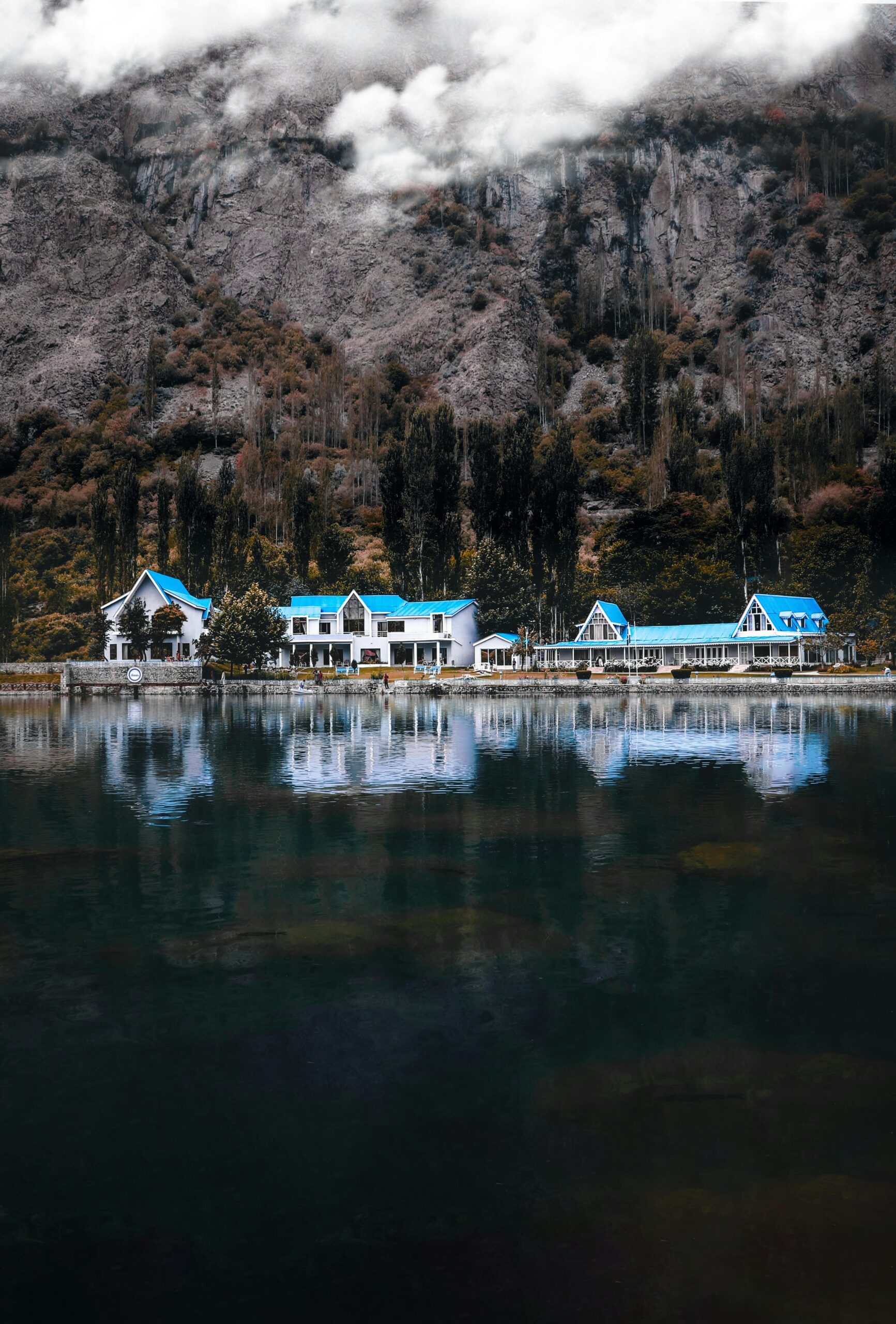
Shigar Fort: Restored fort with museums and cultural exhibits
-
Skardu Local Villages: Learn about Shina and Balti cultures
Activities for Cultural Immersion:
-
Stay in traditional homestays
-
Participate in village workshops for handicrafts
-
Taste local cuisine like Goshtaba and Yak meat dishes
Best Time to Visit: May to September for pleasant weather and festivals
Tip: Combine cultural experiences with adventure activities for a complete northern Pakistan trip.
7. Sindh – Historical & Cultural Treasures
Sindh province is famous for ancient civilizations, Sufi shrines, and handicrafts.
Cultural Highlights:
-
Mohenjo-Daro: Ancient Indus Valley Civilization ruins
-
Shah Abdul Latif Bhittai Shrine: Sufi music and poetry
-
Makli Necropolis: Historic tombs and architecture
-
Sindhi Bazaars: Ajrak shawls, handicrafts, and pottery
Activities for Cultural Immersion:
-
Attend Sufi music gatherings
-
Explore historical ruins with local guides
-
Participate in craft workshops
Best Time to Visit: November to March for cooler weather
Tip: Hire guides for historical sites to understand the rich cultural context.
8. Cultural Festivals in Pakistan
Attending local festivals is a great way to immerse in Pakistani culture.
Popular Festivals:
-
Shandur Polo Festival (Hunza): Annual polo tournament and cultural celebrations
-
Lok Mela (Lahore): Folk music, dance, and crafts exhibition
-
Mela Chiraghan (Lahore): Festival of lights honoring Sufi saints
-
Basant (Lahore & Other Cities): Kite-flying festival, although regulated recently
Activities:
-
Dance, music, and traditional games
-
Shopping for handmade crafts
-
Sampling festival-specific local cuisine
Tip: Plan visits around festival dates for authentic cultural experiences.
9. Traditional Markets & Bazaars
Exploring local markets allows travelers to experience culture through food, clothing, and handicrafts.
Must-Visit Bazaars:
-
Anarkali Bazaar (Lahore): Clothing, jewelry, and spices
-
Empress Market (Karachi): Diverse food and handicrafts
-
Qissa Khwani Bazaar (Peshawar): Traditional storytelling culture
-
Multan Bazaar: Blue pottery, textiles, and handicrafts
Tip: Bargaining is common; interact with locals for the best deals and stories.
10. Culinary Cultural Experiences
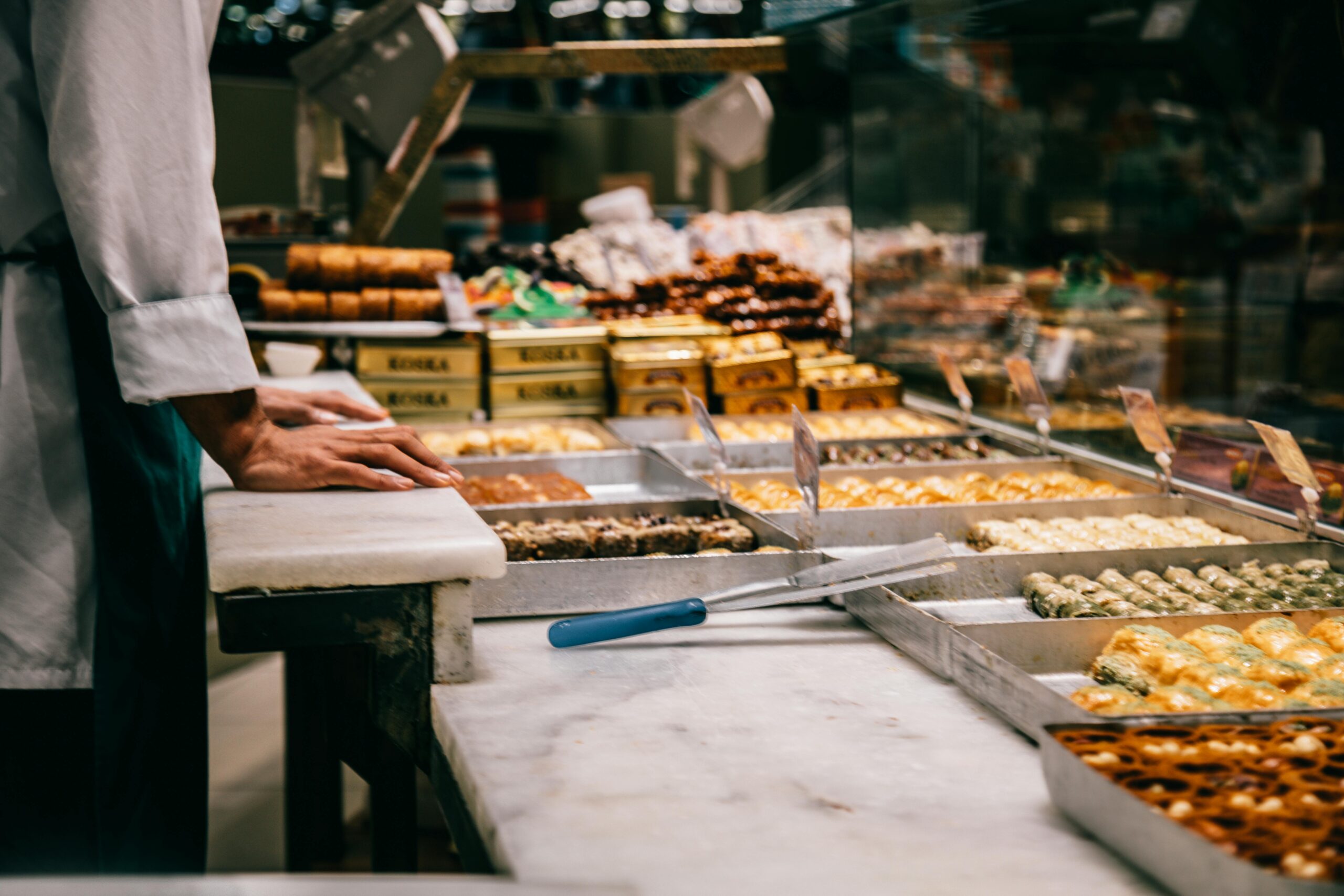
Food is a key aspect of culture. Pakistani cuisine is diverse, reflecting regional ingredients and traditions.
Regional Specialties:
-
Lahore: Nihari, Paye, Bun Kabab
-
Karachi: Sindhi Biryani, Bun Kebab, seafood
-
Peshawar: Chapli Kebab, Kabuli Pulao
-
Multan: Sohan Halwa, Multani Chutney
-
Hunza: Apricots, fresh bread, Yak meat dishes
Activities for Cultural Immersion:
-
Attend cooking classes or food tours
-
Participate in local family meals if staying in homestays
-
Visit street food markets for authentic flavors
Tip: Always ask about spice levels and local customs in dining etiquette.
11. Handicraft & Art Workshops
Learning local crafts enhances cultural understanding and interaction.
Popular Handicrafts:
-
Embroidery: Sindhi Ajrak, Balochi needlework
-
Pottery: Multan blue pottery
-
Carpets & Rugs: Northern Pakistan and Chitral
-
Wood Carving & Jewelry: Hunza and Gilgit
Activities:
-
Participate in hands-on workshops
-
Take guided tours of craft villages
-
Buy authentic souvenirs directly from artisans
Tip: Respect the local artisans and understand pricing is part of cultural heritage.
12. Tips for Cultural Travel in Pakistan
-
Respect local customs: Dress modestly, especially near religious sites
-
Hire local guides: Enhances understanding and supports local economy
-
Learn basic phrases: Urdu, Pashto, Sindhi, or local dialects help connect with locals
-
Travel slow: Spend more time in fewer places to truly understand culture
-
Participate actively: Join workshops, festivals, and local gatherings
-
Document respectfully: Always ask permission before photography
Conclusion
Cultural travel in Pakistan is a deeply enriching experience. From historic forts and ancient ruins to vibrant bazaars and Sufi shrines, the country offers countless opportunities for learning, interaction, and enjoyment. Travelers can immerse themselves in local traditions, festivals, cuisine, handicrafts, and lifestyle, gaining a deeper understanding of Pakistan’s diverse cultural heritage.
Whether you’re exploring Lahore’s Mughal legacy, Karachi’s bustling markets, Hunza’s mountain villages, or Multan’s Sufi culture, Pakistan in 2026 promises unforgettable cultural experiences for all types of travelers. By planning carefully, respecting traditions, and engaging actively with locals, your cultural journey through Pakistan can be both enlightening and inspiring.

Leave a Reply