
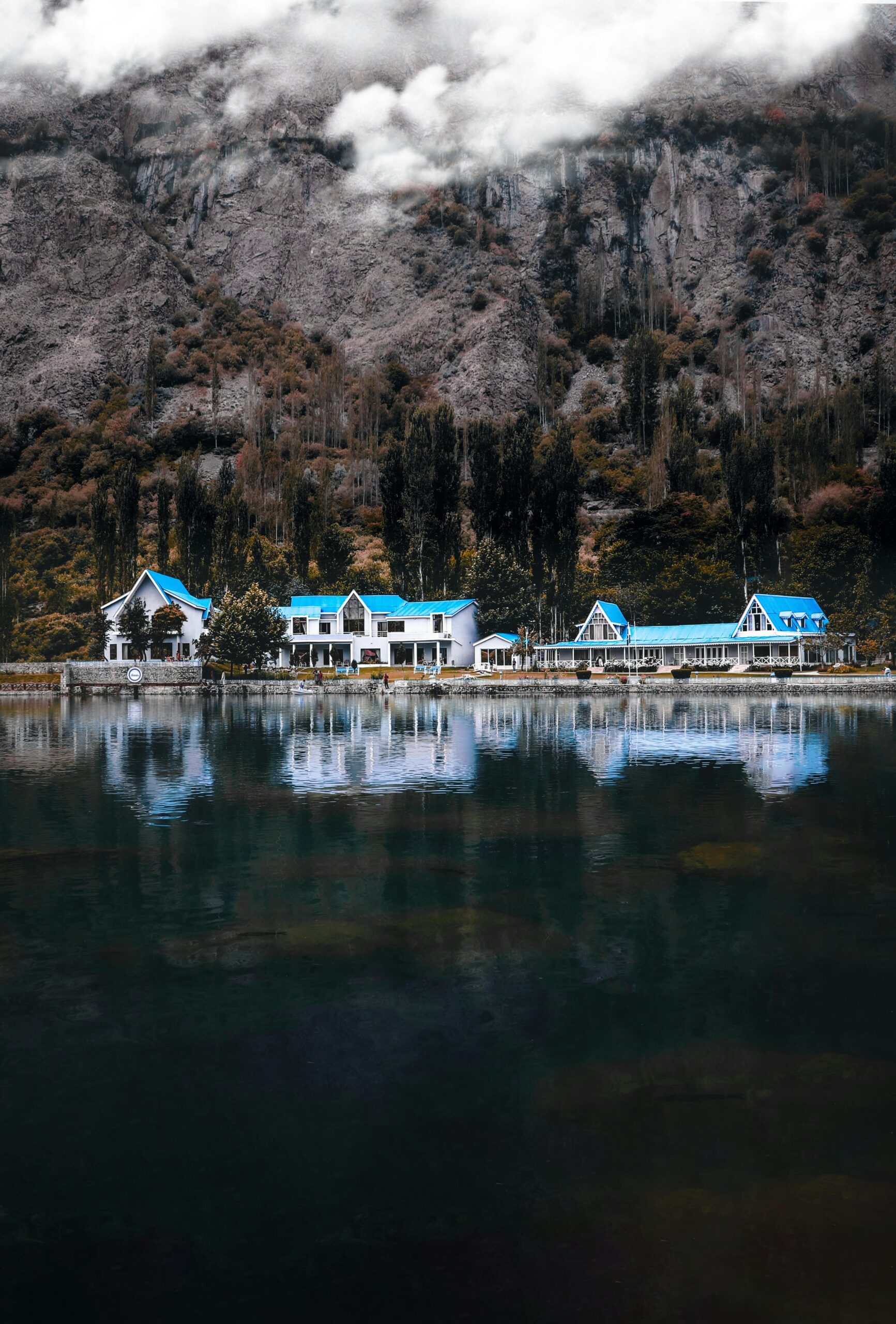
Pakistan is a country of breathtaking landscapes, rich history, and vibrant culture. From the snow-capped peaks of the north to the ancient historical sites in the south, Pakistan has something for every traveler. Whether you are an adventure seeker, a history enthusiast, or someone who loves exploring scenic beauty, Pakistan is a treasure trove of experiences.
In this guide, we’ll explore the top 10 tourist destinations in Pakistan, including mountains, valleys, lakes, historical landmarks, and cultural hotspots. This article will also provide travel tips, best times to visit, and activities to enjoy at each location.
1. Hunza Valley – The Jewel of the North
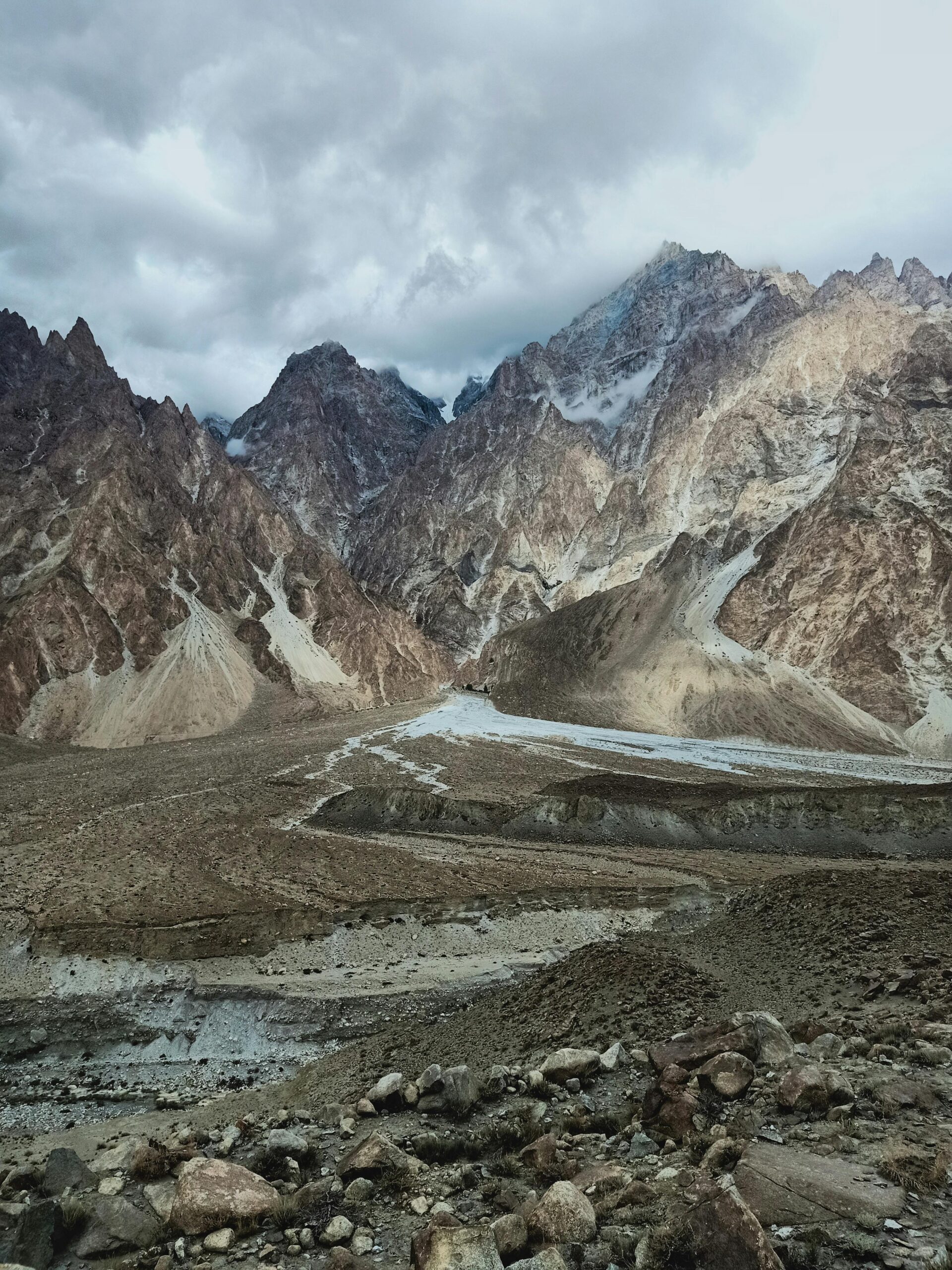
Hunza Valley, located in Gilgit-Baltistan, is one of Pakistan’s most famous and picturesque destinations. It is known for its breathtaking mountains, crystal-clear rivers, and charming villages.
Highlights:
-
Karimabad: The main town with bazaars and traditional handicrafts
-
Baltit Fort: A historic fort with stunning views of Hunza peaks
-
Attabad Lake: Known for its turquoise water and boating activities
-
Rakaposhi Viewpoint: Offers an amazing view of Rakaposhi mountain
Activities:
-
Trekking and hiking through the valleys
-
Photography, especially during sunrise and sunset
-
Exploring local culture and trying Hunza cuisine
Best Time to Visit: April to October for pleasant weather and clear views.
2. Skardu – Gateway to the World’s Highest Peaks
Skardu, also in Gilgit-Baltistan, is a paradise for adventure enthusiasts and nature lovers. It serves as the base for treks to K2, the second-highest mountain in the world.
Highlights:
-
Shangrila Resort (Lower Kachura Lake)
-
Satpara Lake: Ideal for boating and photography
-
Shigar Fort: A historic fort turned museum and hotel
-
Deosai National Park: Famous for wildflowers and wildlife, including bears
Activities:
-
Trekking and mountaineering
-
Camping under the stars
-
Exploring high-altitude lakes and natural scenery
Best Time to Visit: May to September for accessible roads and moderate temperatures.
3. Fairy Meadows – A Hidden Gem
Fairy Meadows is named for its magical meadows and proximity to Nanga Parbat, the ninth-highest mountain in the world. It’s a favorite among trekkers and photographers.
Highlights:
-
Camp under the stars with majestic mountain views
-
Photo opportunities with the iconic Nanga Parbat backdrop
-
Explore the lush green meadows
Activities:
-
Trekking to Nanga Parbat base camp
-
Photography and nature walks
-
Camping and enjoying the serene atmosphere
Best Time to Visit: June to September, when the weather is mild and roads are accessible.
4. Lahore – The Cultural Heart of Pakistan
Lahore, the capital of Punjab, is rich in history, architecture, and cultural experiences. It’s perfect for travelers who enjoy heritage, food, and urban exploration.
Highlights:
-
Lahore Fort & Shalimar Gardens: UNESCO World Heritage sites
-
Badshahi Mosque: One of the largest mosques in the world
-
Food Street (Gawalmandi & Fort Road): Taste authentic Lahori cuisine
-
Lahore Museum: Offers a glimpse into Pakistan’s history and art
Activities:
-
Exploring historical sites
-
Trying local street food and traditional sweets
-
Shopping in bazaars for handicrafts and textiles
Best Time to Visit: October to March for cooler weather and comfortable sightseeing.
5. Islamabad – Modern City with Natural Beauty
Islamabad, Pakistan’s capital, is known for its modern architecture, greenery, and nearby hiking trails. It is ideal for both urban exploration and nature trips.
Highlights:
-
Faisal Mosque: Iconic mosque with modern design
-
Daman-e-Koh: Hilltop viewpoint offering city panoramas
-
Lok Virsa Museum: Showcases Pakistani arts and crafts
-
Rawal Lake: Ideal for boating and picnics
Activities:
-
Hiking in Margalla Hills
-
Visiting museums and cultural centers
-
Photography and city tours
Best Time to Visit: March to May and September to November for pleasant weather.
6. Murree – The Popular Hill Station
Murree, located in Punjab, is Pakistan’s most popular hill station. It’s famous for pine forests, cool climate, and scenic vistas.
Highlights:
-
Mall Road: Shopping and local food
-
Patriata (New Murree): Chair lifts and cable cars for mountain views
-
Pindi Point & Kashmir Point: Panoramic viewpoints
Activities:
-
Hiking through pine forests
-
Enjoying snowfall in winter
-
Family picnics and sightseeing
Best Time to Visit: June to August for summer escapes, December to February for snow.
7. Multan – The City of Saints
Multan, in southern Punjab, is famous for shrines, historical sites, and handicrafts. It’s ideal for travelers interested in heritage and spirituality.
Highlights:
-
Shrine of Shah Rukn-e-Alam
-
Multan Fort and Tombs of Sufi Saints
-
Local bazaars for ceramics, pottery, and traditional textiles
Activities:
-
Visiting historical shrines and forts
-
Shopping for traditional handicrafts
-
Exploring the cultural heritage of the city
Best Time to Visit: October to March for moderate weather.
8. Karachi – The Coastal Metropolis
Karachi, Pakistan’s largest city, combines urban life, beaches, and cultural diversity. It’s a must-visit for travelers seeking modern city vibes and seaside beauty.
Highlights:
-
Clifton Beach: Relax by the sea
-
Mohatta Palace: Museum showcasing art and history
-
Quaid-e-Azam Mausoleum: Tribute to Pakistan’s founder
-
Karachi Markets: For textiles, crafts, and street food
Activities:
-
Beach walks and boat rides
-
Exploring museums and cultural landmarks
-
Sampling diverse street food and modern cuisine
Best Time to Visit: October to March to avoid extreme heat.
9. Skardu & Northern Lakes
Pakistan’s north is full of stunning lakes, each offering unique scenery and adventure:
-
Saif-ul-Malook Lake: Fairy-tale scenery near Naran
-
Lower & Upper Kachura Lakes: Ideal for boating and photography
-
Sheosar Lake (Deosai National Park): High-altitude lake with panoramic views
Activities:
-
Hiking and camping near lakes
-
Fishing and boating
-
Wildlife photography
Best Time to Visit: June to September for accessibility and clear skies.
10. Mohenjo-Daro – Ancient Civilization
Mohenjo-Daro, in Sindh, is a UNESCO World Heritage site and one of the world’s oldest cities. It’s perfect for history enthusiasts.
Highlights:
-
Ruins of Mohenjo-Daro: Explore ancient streets and structures
-
Archaeological Museum in Larkana: Houses artifacts from the Indus Valley Civilization
-
Insight into urban planning and architecture of 2500 BC
Activities:
-
Guided tours of the archaeological site
-
Learning about ancient history and culture
-
Photography of ruins and ancient artifacts
Best Time to Visit: October to March for cooler temperatures.
Tips for Traveling in Pakistan
-
Plan according to seasons: Northern areas are best visited in summer; southern cities in winter
-
Local transport: Use taxis, buses, or car rentals for convenient travel
-
Safety: Follow local travel advisories and respect cultural norms
-
Accommodation: Options range from budget hotels to luxury resorts
-
Food & Water: Stick to bottled water and try local delicacies safely
Why Pakistan Should Be on Every Traveler’s List
-
Natural Beauty: From mountains, valleys, and lakes to deserts and beaches
-
Rich History: Ancient civilizations, forts, and cultural heritage
-
Adventure Activities: Trekking, mountaineering, camping, and wildlife exploration
-
Warm Hospitality: Friendly locals and vibrant cultural experiences
-
Affordable Travel: Budget-friendly accommodations and food options
Conclusion
Pakistan is a land of diversity and beauty, offering experiences that range from adventurous mountain treks to serene lakeside retreats, from historical explorations to urban sightseeing. These top 10 tourist destinations provide something for every type of traveler.
Whether you’re planning a family trip, solo adventure, or cultural exploration, Pakistan is a destination that will leave lasting memories.
From the majestic peaks of Hunza and Skardu to the ancient ruins of Mohenjo-Daro, Pakistan is a treasure trove waiting to be explored in 2026.
Start planning your journey today and discover the hidden gems, scenic beauty, and vibrant culture that make Pakistan truly unique.

Leave a Reply